Health insights & articles from KDSG
Apr 29, 2026
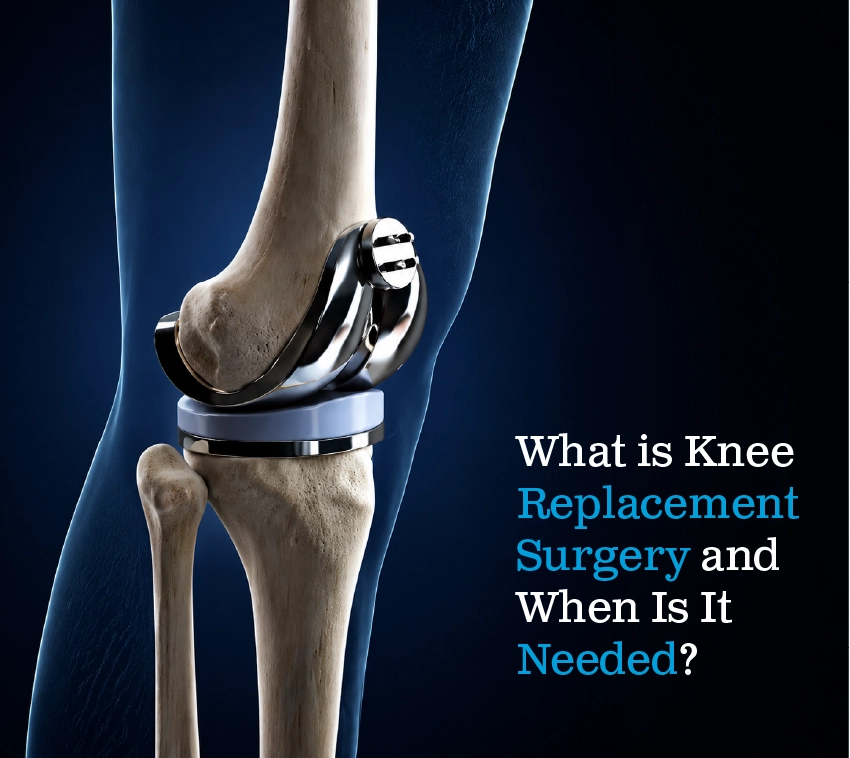
Knee pain can quietly change a person every day. Simple things, such as walking, standing for several minutes or climbing the stairs, might become challenging. For many individuals, workouts and medication might help at first. But at times, the damage inside the knee becomes much worse. Due to such reasons, physicians recommend knee replacement surgery. This is a well-known treatment that can help individuals regain movement and also lower the pain. Many people are opting for this treatment option as they want a much better quality of life. Having a good understanding of what this surgery has in store and when it is needed can help patients make confident and informed decisions.
The knee replacement surgery is a medical procedure where the damaged section of the knee joint is replaced by an artificial one. The procedure is also known as knee arthroplasty, and during the surgery, the following things take place:
The physician removes the damaged cartilage and bone.
Artificial parts are created from plastic, and metal parts are placed.
Such parts can help the knee move easily again.
The main objective of this surgery is to enhance the movement and lessen the pain. Apart from that, the surgery can also replace the following:
The entire knee joint (total knee replacement)
Only the damaged part (partial knee replacement)
This is a very secure and common procedure when it is done for the correct reasons.
The knee joint carries a lot of weight. Over time, it can wear down. The most common cause is osteoarthritis. This condition slowly damages the cartilage that cushions the bones. Other causes include:
Rheumatoid arthritis
Injury or trauma
Age-related wear and tear
Joint deformities
When the cartilage wears away, bones rub against each other. This leads to pain, stiffness, and swelling.
Not every knee problem needs surgery. Doctors usually suggest it only when symptoms become severe. Common signs include:
Constant knee pain, even at rest
Difficulty in walking or climbing stairs
Stiffness that limits movement
Swelling that does not improve
Trouble standing up from a chair
These symptoms often affect daily life. When basic tasks become difficult, surgery may be considered.
You might come across many types of knee replacement surgeries. Here are some of them:
Total Knee Replacement: The entire knee joint is replaced. This is the most common type.
Partial Knee Replacement: Only the damaged part is replaced. Recovery is often quicker.
Bilateral Knee Replacement: Both knees are replaced, either together or separately.
The type depends on the level of damage and the patient’s condition.
This particular procedure takes between 1 and 2 hours. It includes the following steps:
Anaesthesia is given to prevent pain
The surgeon begins by making an incision over the knee.
Damaged bone and cartilage are removed
Artificial parts are fixed in place
The knee is adjusted for smooth movement
After surgery, patients are monitored for a short time before recovery begins.
Recovery is a gradual process. It requires patience and effort.
Patients may start walking within a day or two
Support, such as a walker, may be needed
A hospital stay is usually short
Full recovery may take several months
Exercises are important for strength
Regular follow-ups are needed
Many people return to normal activities after recovery.
Like any surgery, knee replacement has some risks. These may include:
Infection
Blood clots
Nerve damage
Implant wear over time
However, serious complications are rare when the procedure is done correctly.
The knee replacement surgery is an ideal solution for individuals living with limited movement and severe knee pain. It might not be the first step towards treatment, but it becomes necessary when other methods do not work. The procedure can replace the damaged section of the knee with artificial components. This can help the patients regain mobility and comfort. With the right care and rehabilitation, many individuals can return to their independent and active lives. Hospitals, such as KDSG, keep the focus on modern-day treatment options, post-surgery care, and patient safety. Their Knee Replacement Surgery Procedure blends customised attention with advanced medical support. This can help patients to recover with comfort and confidence. When knee pain has an impact on your everyday life, the right treatment and on-time guidance can make a lasting difference.
1. Can knee replacement surgery be done at a young age?
Yes, but it is usually recommended only in severe cases with strong medical reasons.
2. Does weather affect artificial knee joints after surgery?
Some people may feel mild stiffness during cold weather, but it varies.
3. Can you travel by air after a knee replacement?
Yes, but it is advised to consult your doctor before planning long journeys.
4. Will the artificial knee set off airport security alarms?
Sometimes it might be due to metal parts. Carrying a medical note helps.